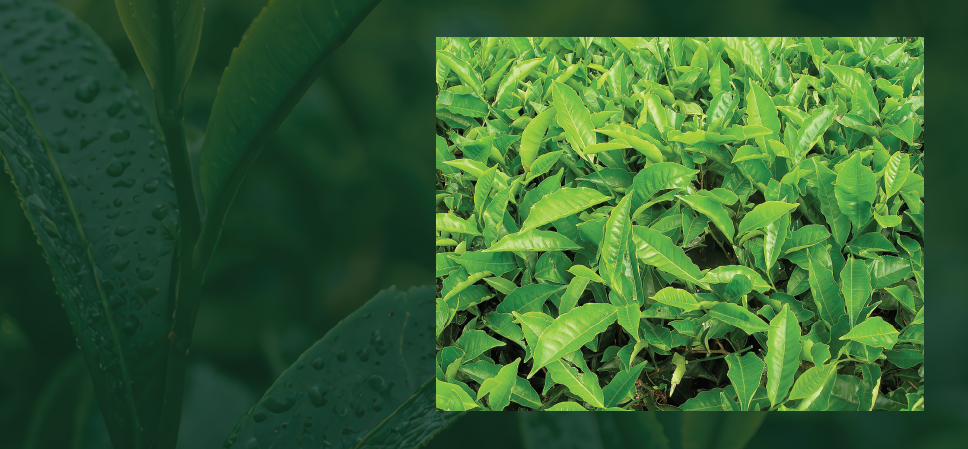
Tea may feel like something that comes from faraway hillsides, but the plant behind every cup is surprisingly at home in California. In recent years, small farms in the Central Valley and Sierra foothills have begun carving out a distinctly local tea culture, proving that Camellia sinensis can thrive in the 209 with the right care. Growers at Redwood Tea Estate near Stockton have shown that tea responds well to the region’s climate when planted thoughtfully and supported with careful soil and water management.
Understanding the Plant
All true tea—green, black, white, and oolong—comes from Camellia sinensis, an evergreen shrub with glossy leaves and delicate white blossoms. The difference between tea types comes not from the plant itself but from how the harvested leaves are handled. In the garden, tea behaves much like other acid‑loving ornamentals. It prefers mild winters, steady moisture, and protection from the harshest afternoon sun. These needs align well with the 209’s Mediterranean climate, where spring and fall offer ideal growing conditions and summer heat can be managed with shade and mulch.
Preparing the Right Conditions
Local growers have learned that soil is the foundation of successful tea. Tea plants thrive in acidic, well‑draining soil, similar to what azaleas and blueberries prefer. Amending with pine needles, peat moss, or an acid‑friendly planting mix helps create the right environment. Consistent moisture is essential, especially during the Valley’s long dry season. Deep watering once or twice a week keeps roots cool without saturating them. Afternoon shade is another key factor; a spot that receives morning sun and filtered light later in the day prevents leaf scorch.
Mulching around the base of the plant helps regulate soil temperature and retain moisture. Young plants may need temporary shade cloth during July and August, while mature shrubs become more tolerant over time. Patience is part of the process: tea plants typically take about three years to produce harvestable leaves, but once established, they can live for decades.
Harvesting and Crafting Your Tea
Spring is the prime harvest season. Gardeners pluck the tender top leaves—known as “two leaves and a bud”—which offer the best flavor. From there, the style of tea depends on processing. Green tea is heated quickly to stop oxidation, then rolled and dried. Black tea is fully oxidized until the leaves darken and develop a deeper aroma. White tea requires only gentle drying of the youngest buds, while oolong falls somewhere in between, with partial oxidation creating layered flavors.