
A season of wildflowers, waterfalls, and only‑here experiences across the Central Valley and foothills.
Spring in the 209 is a short but spectacular window when the hills turn green, rivers run high, and local farms, parks, and historic towns come alive. These ten outings highlight the best of the season—places where readers can slow down, explore, and reconnect with the landscapes and communities that make this region special.
Caswell Memorial State Park Wildflower Walk
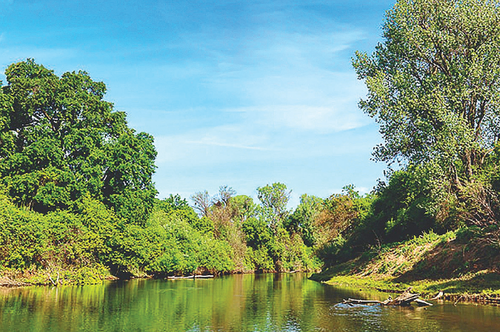
A rare riparian woodland in full spring bloom
Caswell Memorial State Park offers one of the most peaceful spring experiences in the region, with trails winding through one of the last remaining riparian oak woodlands in the Central Valley. Visitors can expect bright wildflowers, lush understory growth, and the chance to spot wildlife along the Stanislaus River. The park’s quiet, shaded trails make it an ideal outing for families, photographers, and anyone craving a slower pace.
Caswell is a day‑use park open from 8 a.m. to sunset, with a small entrance fee. Dogs aren’t allowed on trails, and mosquitos can be heavy as temperatures rise, so repellent is essential. Trails are mostly flat but can be muddy after rain. Current conditions, closures, and maps are available through California State Parks.
Spring Picnic at Knights Ferry
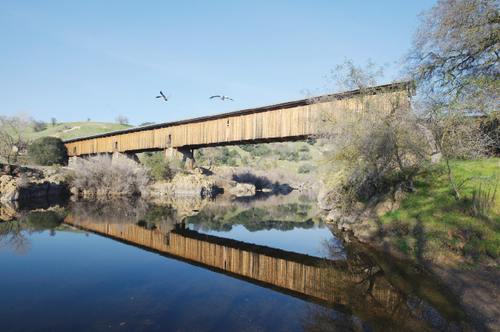
A riverside picnic surrounded by history and spring scenery
Knights Ferry remains one of the most iconic outdoor destinations in the 209, with rolling green hills, wildflowers, and the rushing Stanislaus River creating a perfect spring backdrop. While the historic Knights Ferry Covered Bridge is currently closed for extensive structural repairs and gated off to the public, the surrounding recreation area still offers plenty of space for picnics, short hikes, and exploring the old mill site.
The Knights Ferry Recreation Area and Stanislaus River Parks remain fully open, though parking fills quickly on warm weekends and a day‑use fee applies. Picnic tables are limited, so bringing a blanket is wise. The visitor center is open seasonally and features exhibits on salmon migration and local history. The Army Corps of Engineers provides updates on access, parking, and river conditions.
U‑Pick at Riverdance Farms
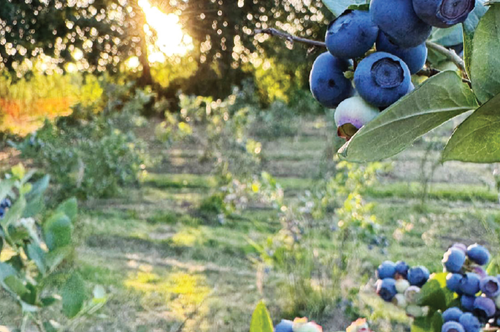
Organic berries and a riverside festival weekend
Riverdance Farms in Livingston offers a charming spring outing with organic u‑pick blueberries and cherries along the Merced River. Visitors can wander orchard rows, enjoy the peaceful riverside setting, and learn about sustainable farming practices. The farm’s annual Pick & Gather Festival adds even more energy, with live music, food vendors, and hands‑on activities celebrating local agriculture.
U‑pick availability varies by crop and weather, and the farm often posts specific open weekends or requires reservations. This year’s Pick & Gather Festival takes place May 30 and 31, giving families two full days of activities and access to the orchards. Prices are by the pound, and containers are usually provided. Riverdance Farms’ website and social media pages offer the most accurate updates on picking dates and festival details.
Lodi Wine Trail Spring Tasting
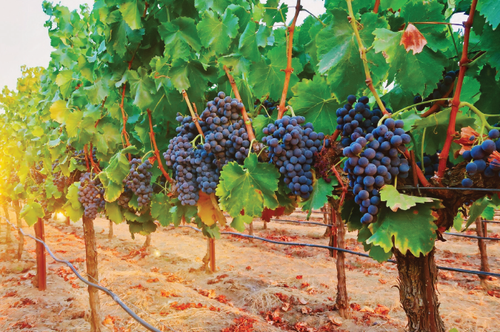
Seasonal releases and vineyard views in California’s friendliest wine region
Spring is one of the best times to explore the Lodi Wine Trail, when vineyards leaf out and tasting rooms release fresh seasonal wines. The region’s relaxed, approachable tasting culture makes it ideal for both newcomers and seasoned wine lovers. Boutique wineries like Harney Lane, Oak Farm, and Michael David offer outdoor patios, vineyard views, and curated flights that highlight Lodi’s signature varietals.
Most tasting rooms accept walk‑ins during spring, though reservations are recommended on weekends. Tasting fees vary, and many wineries allow guests to bring picnics. The Lodi Wine Visitor Center is a helpful first stop for maps, recommendations, and updated tasting hours. Visit Lodi’s official website maintains a current directory of wineries and seasonal events.
Visit to Pageo Lavender Farm
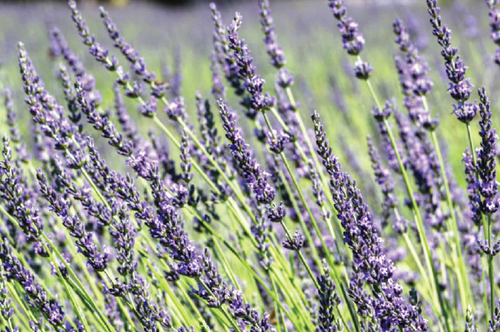
A fragrant spring escape in the Turlock countryside
Pageo Lavender Farm offers a peaceful spring retreat with rows of lavender beginning to wake up for the season and a charming gift shop filled with handmade soaps, oils, and culinary products. The farm’s rustic setting makes it a favorite for photographers, and their seasonal lunches provide a farm‑to‑table experience surrounded by blooming fields.
Hours vary by season, and the farm often hosts private events, so checking ahead is essential. The gift shop is typically open on select days, and lunches require reservations. Visitors should expect uneven ground and bring sun protection on warm days. Pageo’s official website provides the most accurate schedule for shop hours, lunches, and special events.
Visit Yosemite Falls in Spring
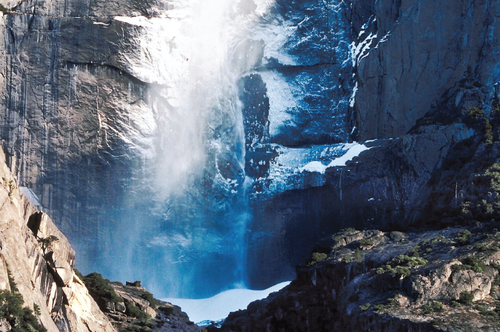
Peak waterfall season in one of California’s most iconic landscapes
Spring is when Yosemite Falls roars to life, fueled by snowmelt that sends water crashing down the cliffs in a dramatic display. The short walk to the Lower Falls viewpoint is accessible for most visitors, while more adventurous hikers can tackle the strenuous trail to the Upper Falls overlook. The surrounding valley is lush and vibrant, making spring one of the most photogenic times to visit.
Parking fills early, and some higher‑elevation roads may still be closed depending on snowpack. Visitors should bring layers—spring weather can shift quickly—and expect misty conditions near the falls. The National Park Service website provides real‑time updates on road conditions, trail status, and waterfall flow.
Stanislaus Wildlife Care Center Baby Animal Shower
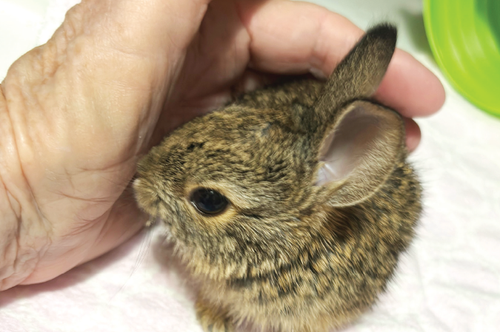
A community event supporting local wildlife rehabilitation
The Stanislaus Wildlife Care Center’s annual Baby Animal Shower is a heartwarming spring tradition that helps prepare the center for its busiest season. Visitors can meet the staff and volunteers who care for orphaned and injured wildlife, learn about the challenges facing native species, and donate supplies that directly support the center’s work.
The event is typically held in April at the center in Hughson. Parking is limited, and donations such as paper towels, formula, and cleaning supplies are encouraged. Because this is a working wildlife facility, visitors won’t handle animals, but educational displays and demonstrations are common. The center’s website and social media pages post the official date and donation list each year.
Bird Watching at San Luis National Wildlife Refuge
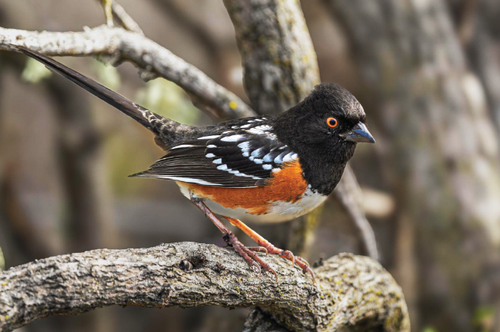
Spring migration across wetlands and grasslands
San Luis National Wildlife Refuge is a spring bird‑watching haven, with wetlands and grasslands attracting migratory waterfowl, shorebirds, raptors, and songbirds. The auto‑tour routes make it easy for families and photographers to spot wildlife without disturbing sensitive habitats. Spring also brings lush green landscapes and active breeding behavior among many species.
Early morning offers the best viewing, and visitors should bring binoculars, water, and sun protection. The refuge has multiple auto‑tour loops, a visitor center with exhibits, and posted bird lists. Roads may close after heavy rain, so checking conditions ahead of time is wise. The U.S. Fish & Wildlife Service website provides maps, seasonal species updates, and accessibility information.
Columbia State Historic Park Gold Rush Days
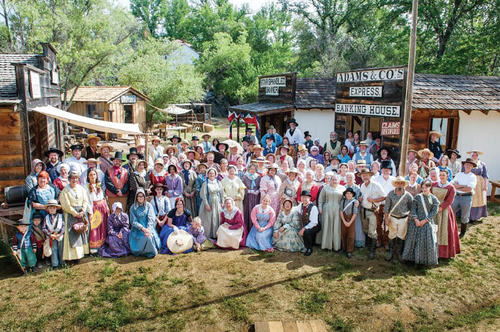
Living history in a preserved Gold Rush town
Columbia State Historic Park brings the Gold Rush to life with costumed docents, blacksmith demonstrations, stagecoach rides, and hands‑on activities that transport visitors to the 1850s. The town’s preserved storefronts, wooden sidewalks, and working shops make it one of the most immersive historic experiences in California. During Gold Rush Days, the park becomes even more animated with music, living‑history vignettes, and interactive demonstrations.
Gold Rush Days are held on the second Saturday of every month, typically from 1 p.m. to 4 p.m., making them an easy recurring spring outing. The historic district is pedestrian‑only, and many activities are free, though some—like the stagecoach ride—have a fee. Parking is available just outside the district, and comfortable walking shoes are recommended. Event calendars and activity details are posted on the park’s official website and the Friends of Columbia page.
Oakdale Rodeo
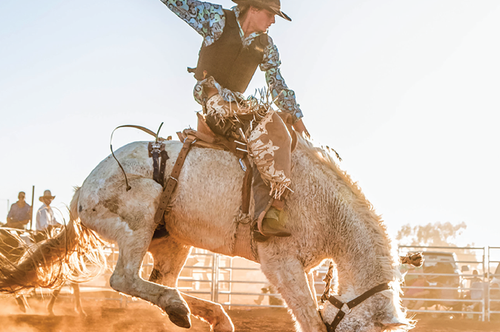
A spring tradition in the Cowboy Capital of the World
The Oakdale Rodeo is one of the region’s most iconic spring events, celebrating the town’s deep ranching heritage. The PRCA‑sanctioned rodeo brings top competitors in bull riding, barrel racing, team roping, and more, while the parade and community events create a festive atmosphere throughout town. For many families, it marks the unofficial start of spring in the foothills.
The rodeo is held the second weekend of April, and tickets often sell out. Visitors should buy only from official sources to avoid scams. Parking can be crowded, and outside food, pets, and certain cameras are restricted. The Oakdale Rodeo Association’s website lists ticketing details, schedules, and arena rules.